

Feather Ruck Ultimate Bundle
Our Most Comfortable Ruck
YOUR BUNDLE INCLUDES
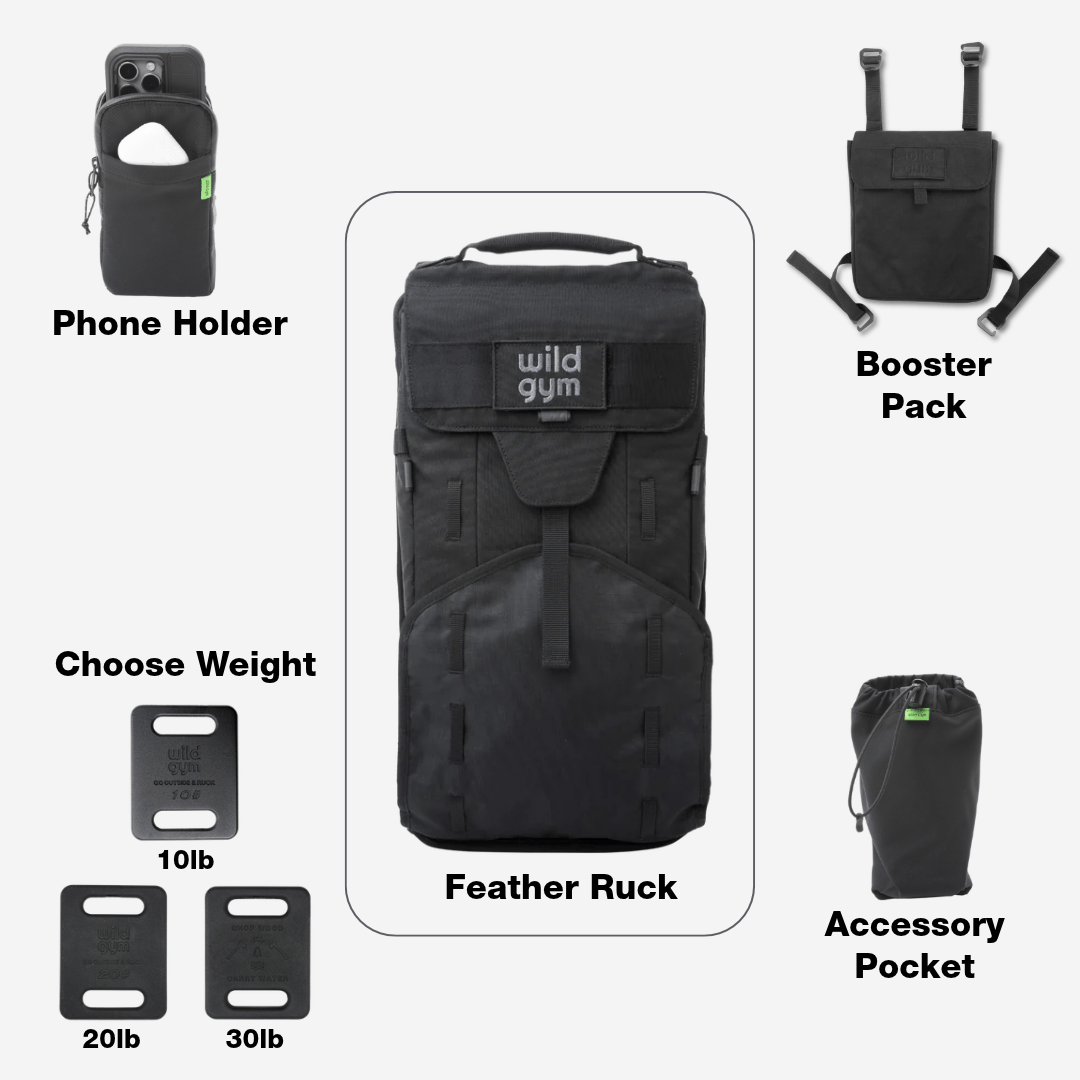
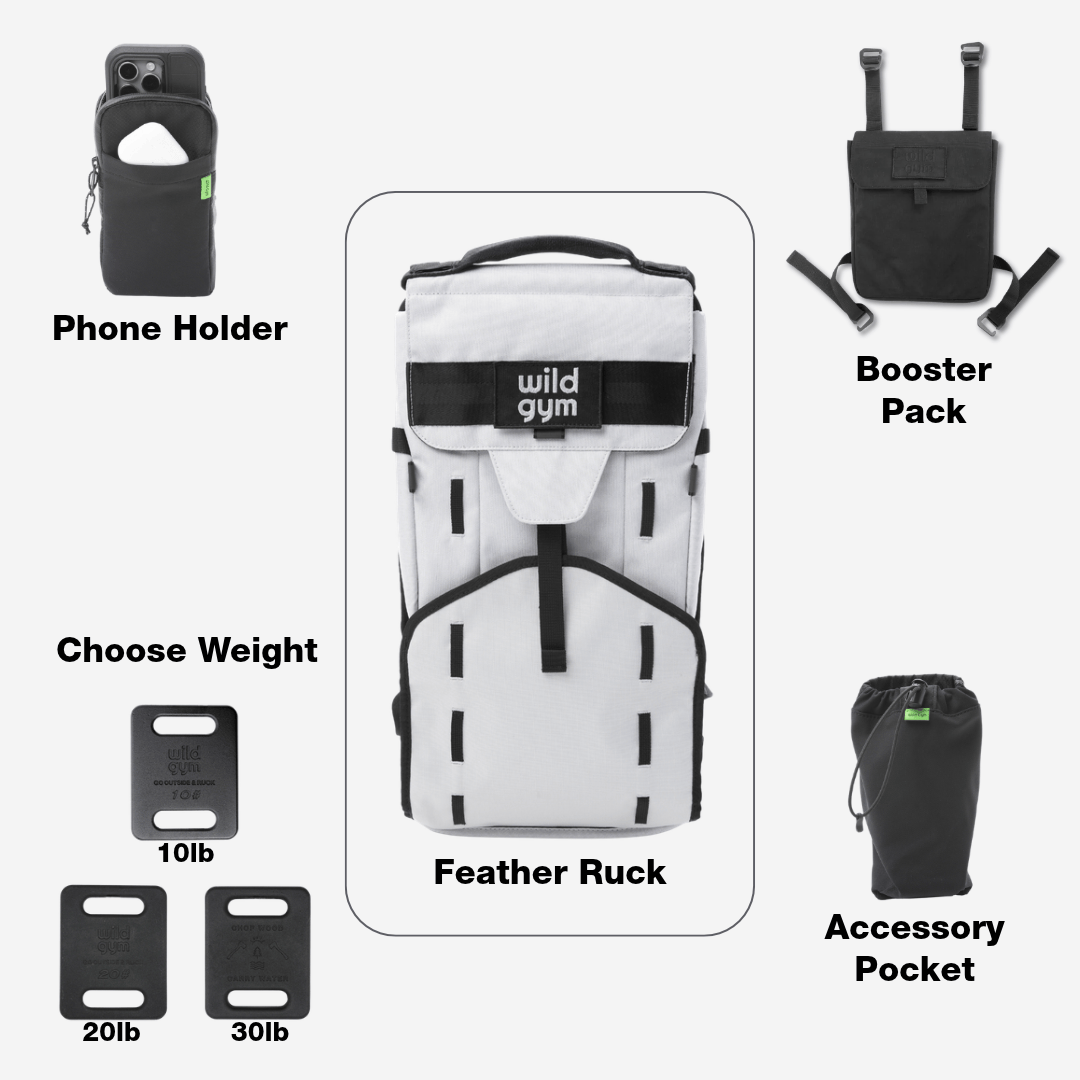
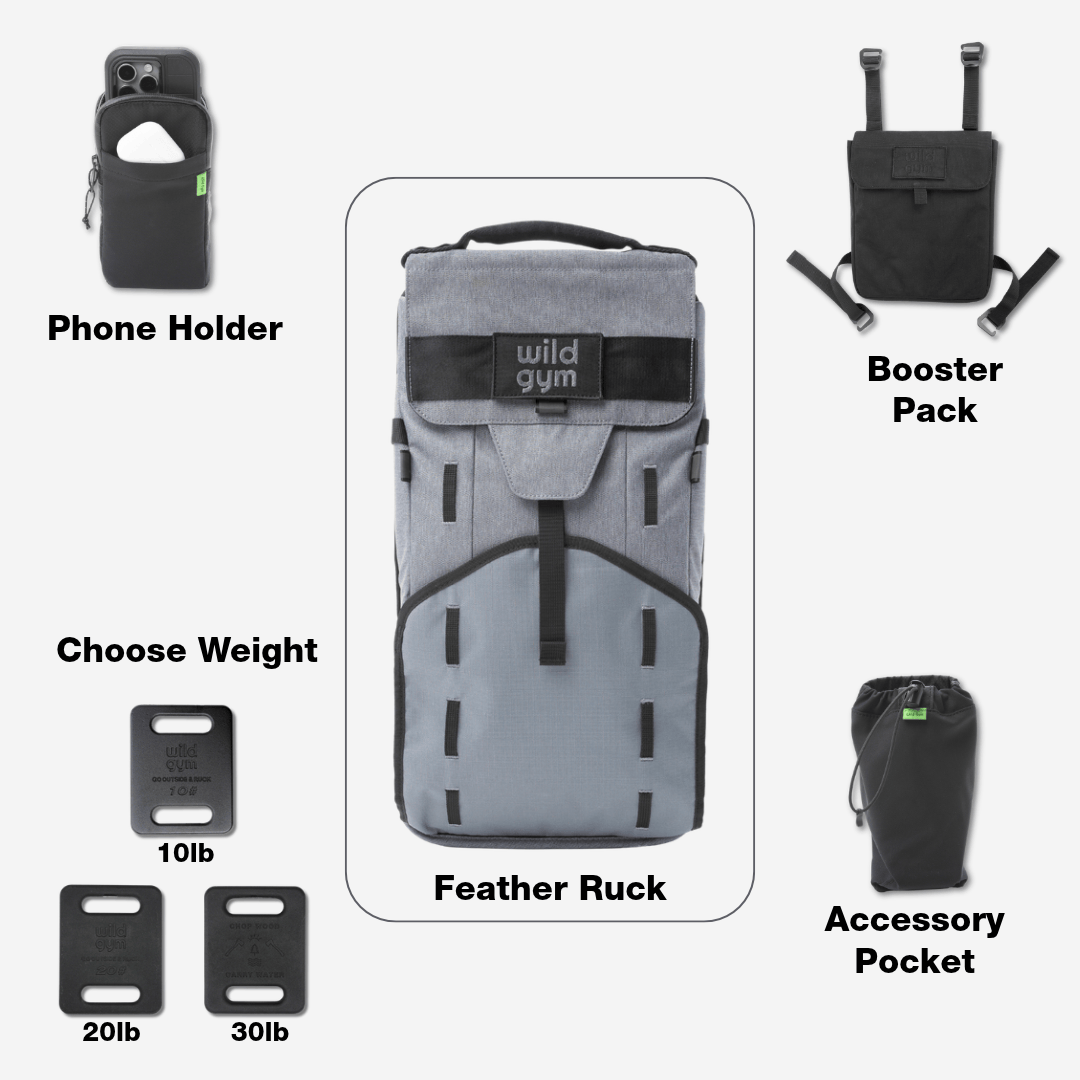
- Feather Ruck
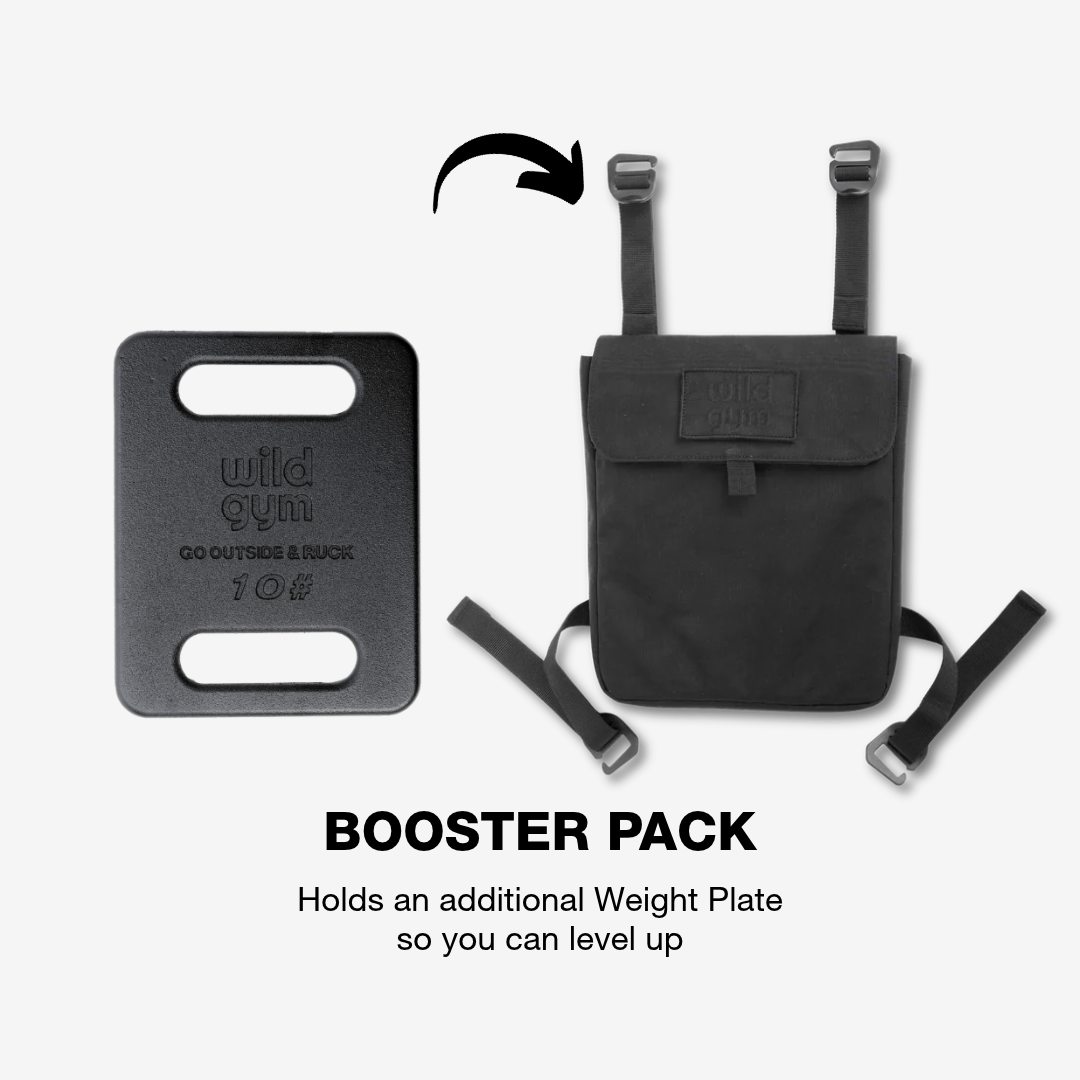
- Booster Pack (Additional Weight Plate Carrier)
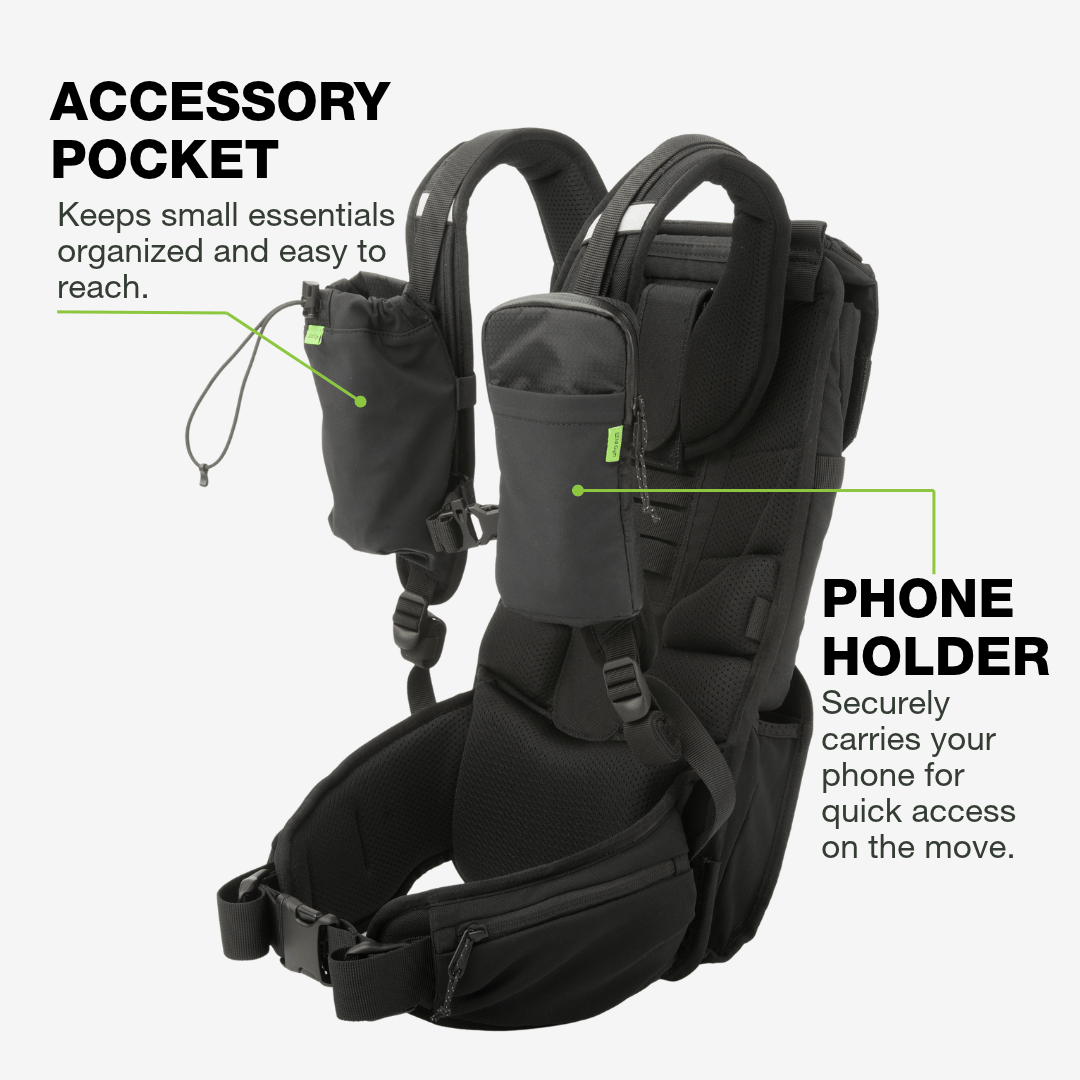
- Phone Pocket (Detachable, Black)
- Water Pocket (Detachable, Black)
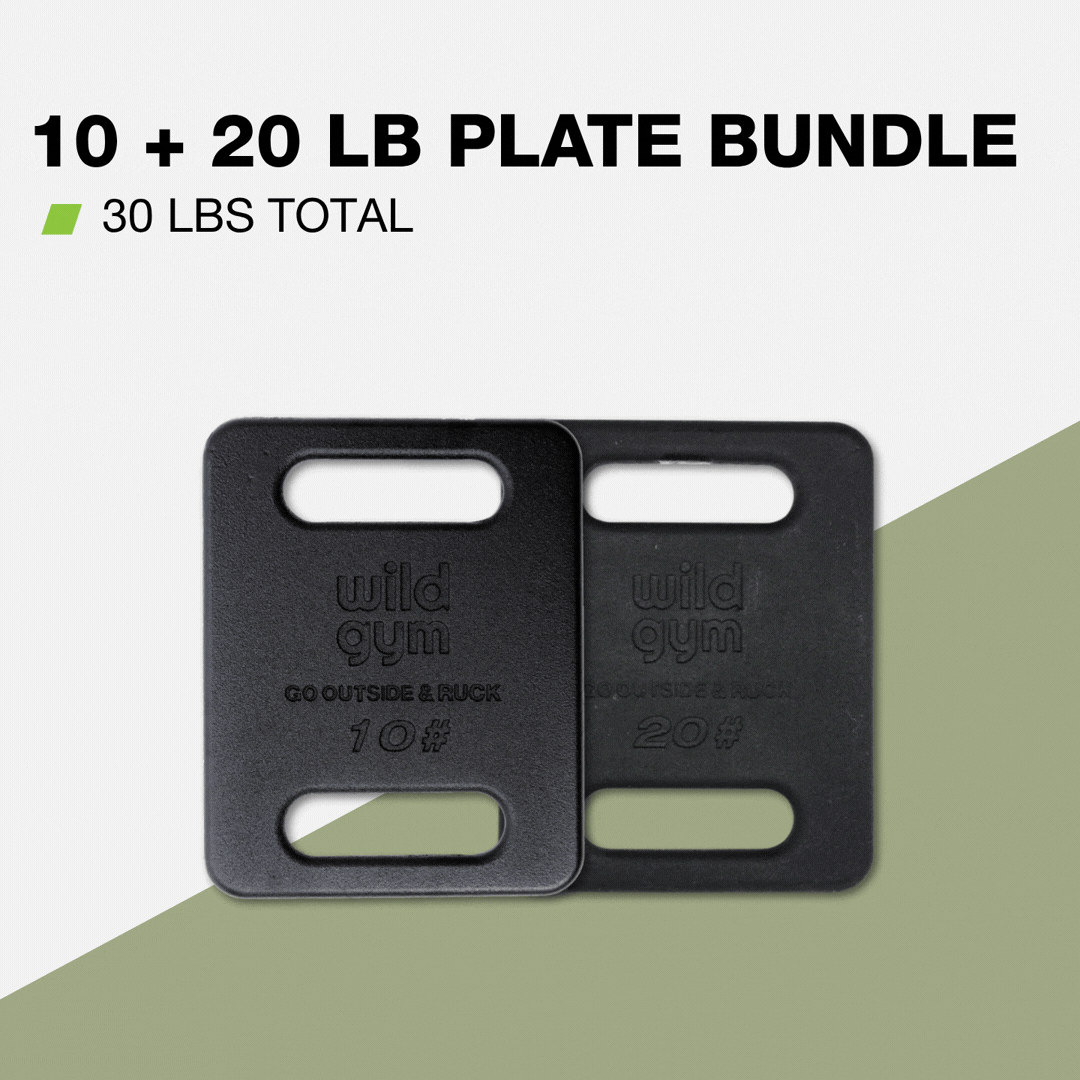
- Includes Weight Plate (choose your weight): 10, 20, 30 pounds or choose 10+20 bundle.
Black LXL, Aspen and Basalt sizes ship in 3-6 weeks
Feather Ruck Ultimate Bundle
Sale price$ 289.00
Regular price$ 389.00
SEE WHY THOUSANDS ARE USING THE
FEATHER RUCK


TAKE A CLOSER LOOK


THE PROBLEM. SOLVED.
Thoughtful details make every adventure easier with our Feather Ruck.
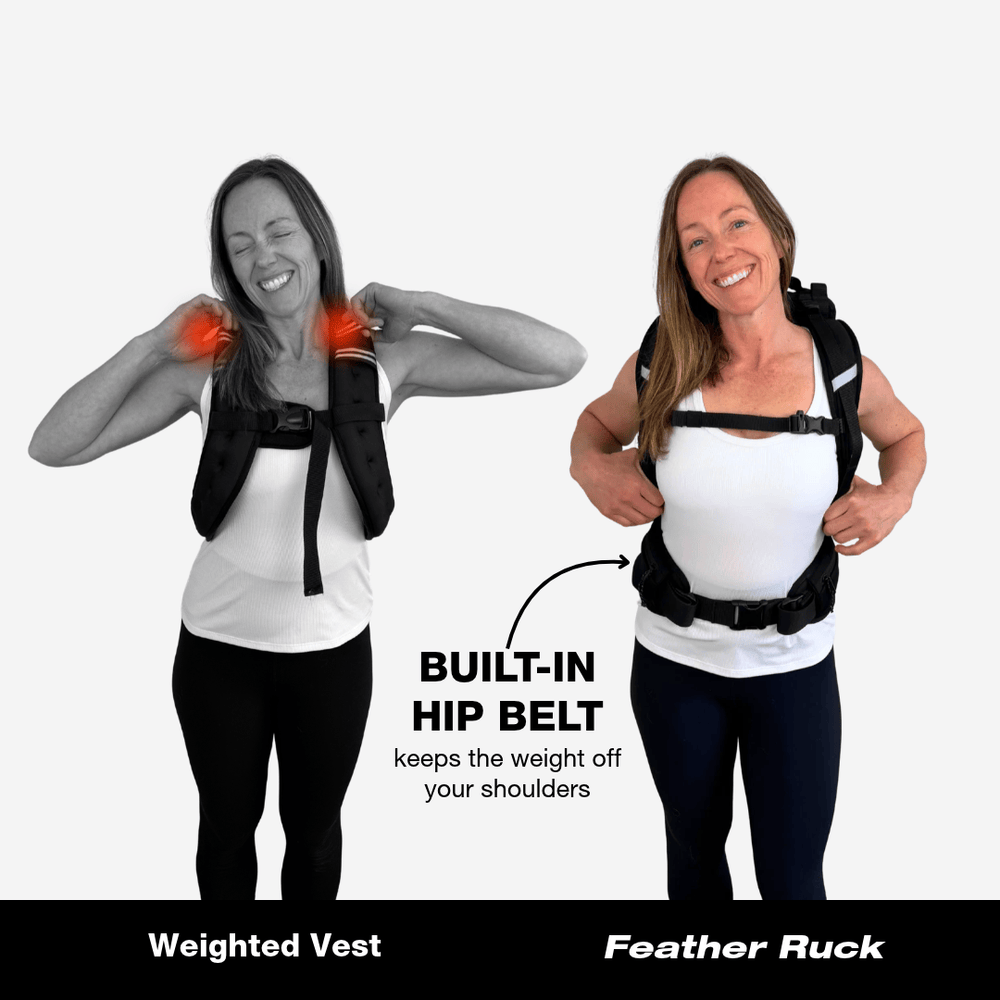
Shoulders doing all the work?
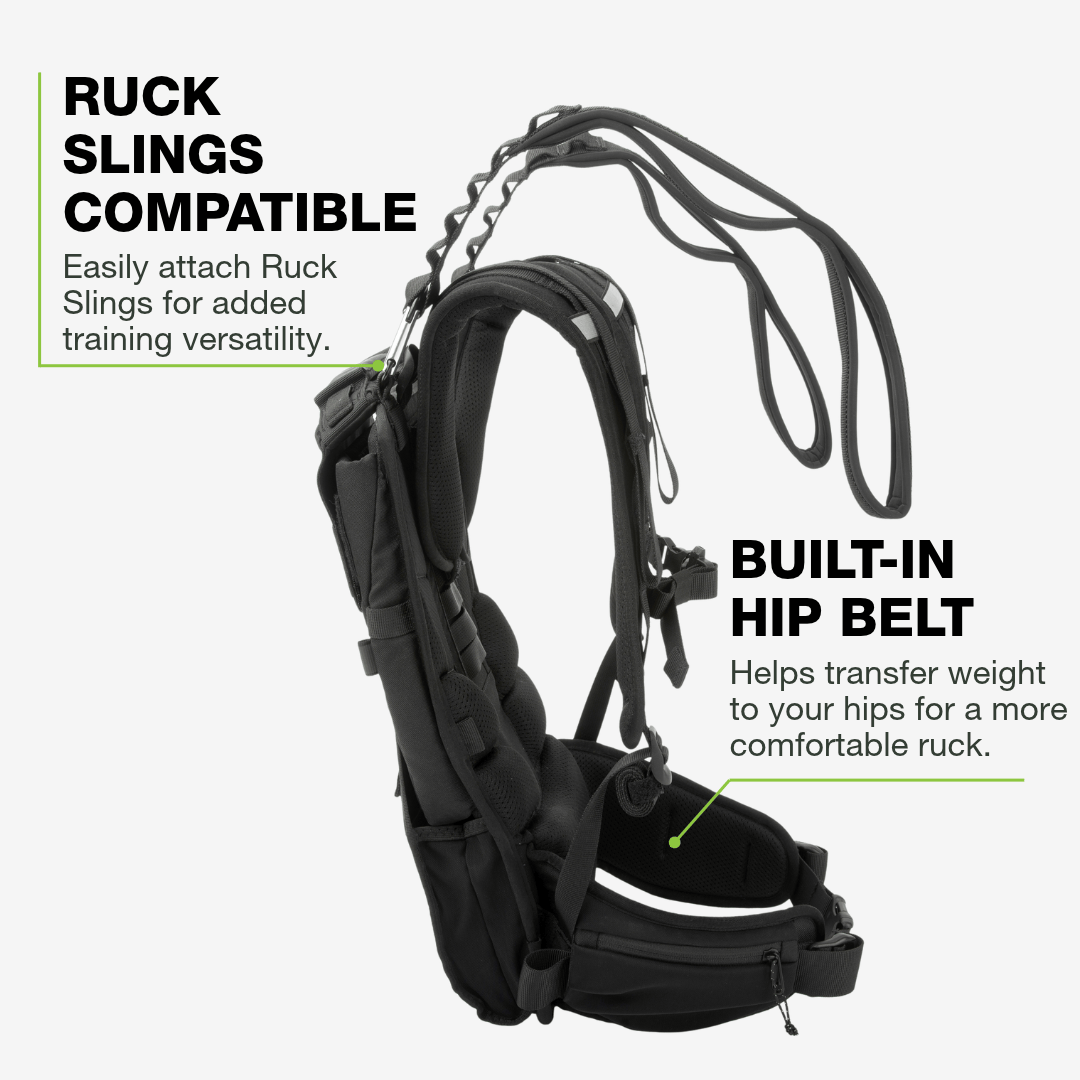
LET YOUR HIPS HELP.
The built-in hip belt helps transfer weight to your hips, taking some of the load off your shoulders.
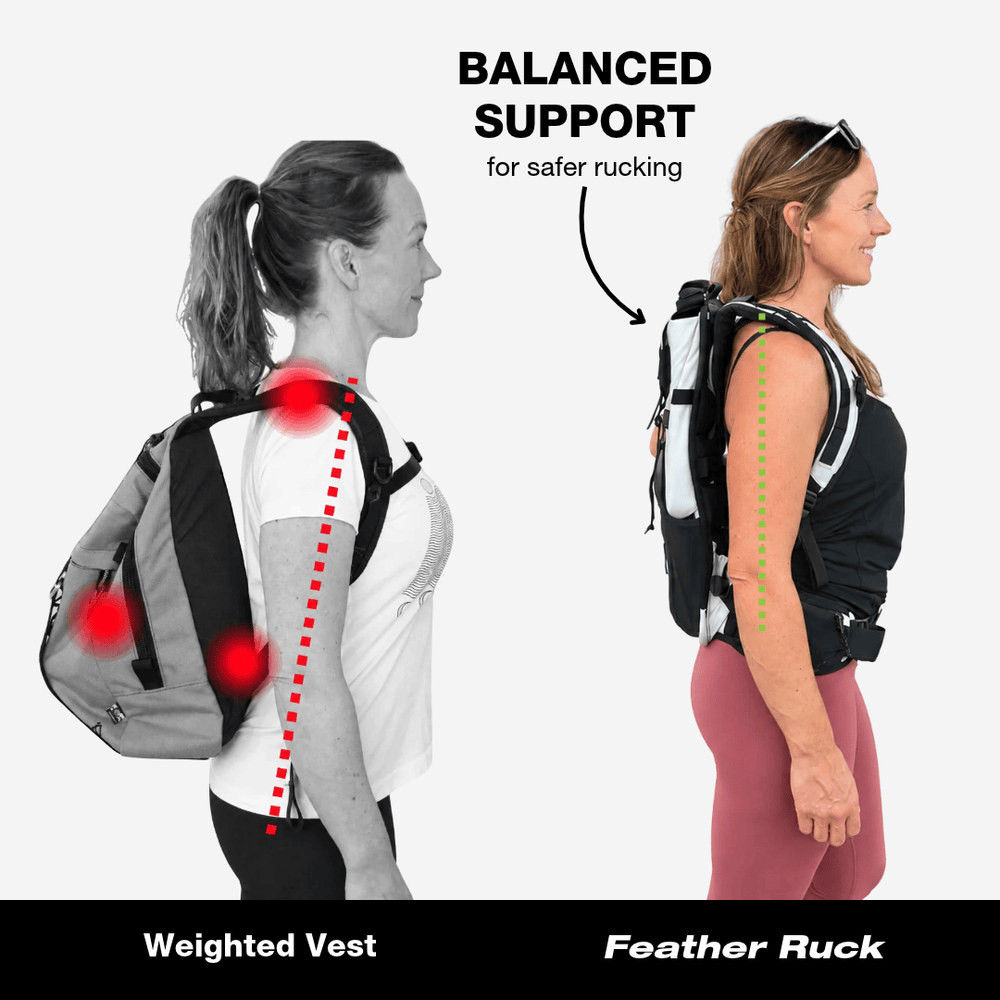
Tired of a bulky fit up front?
KEEP THE WEIGHT BEHIND YOU.
Carry your load on your back, leaving the front of your body open for your next adventure.

Vest or Pack never fits quite right?
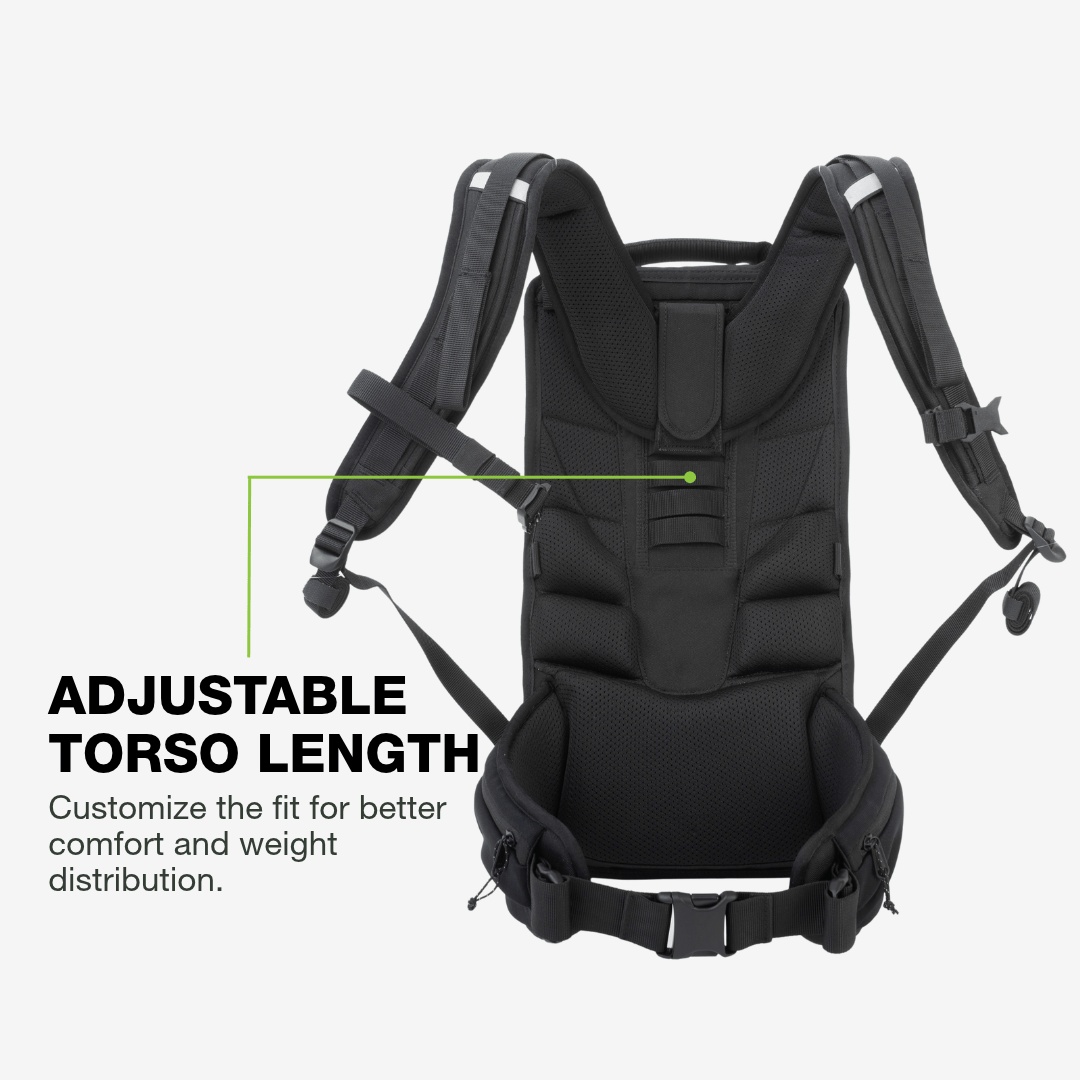
DIAL IN YOUR FIT.
Adjust the torso length to match your body and position the hip belt where it belongs.
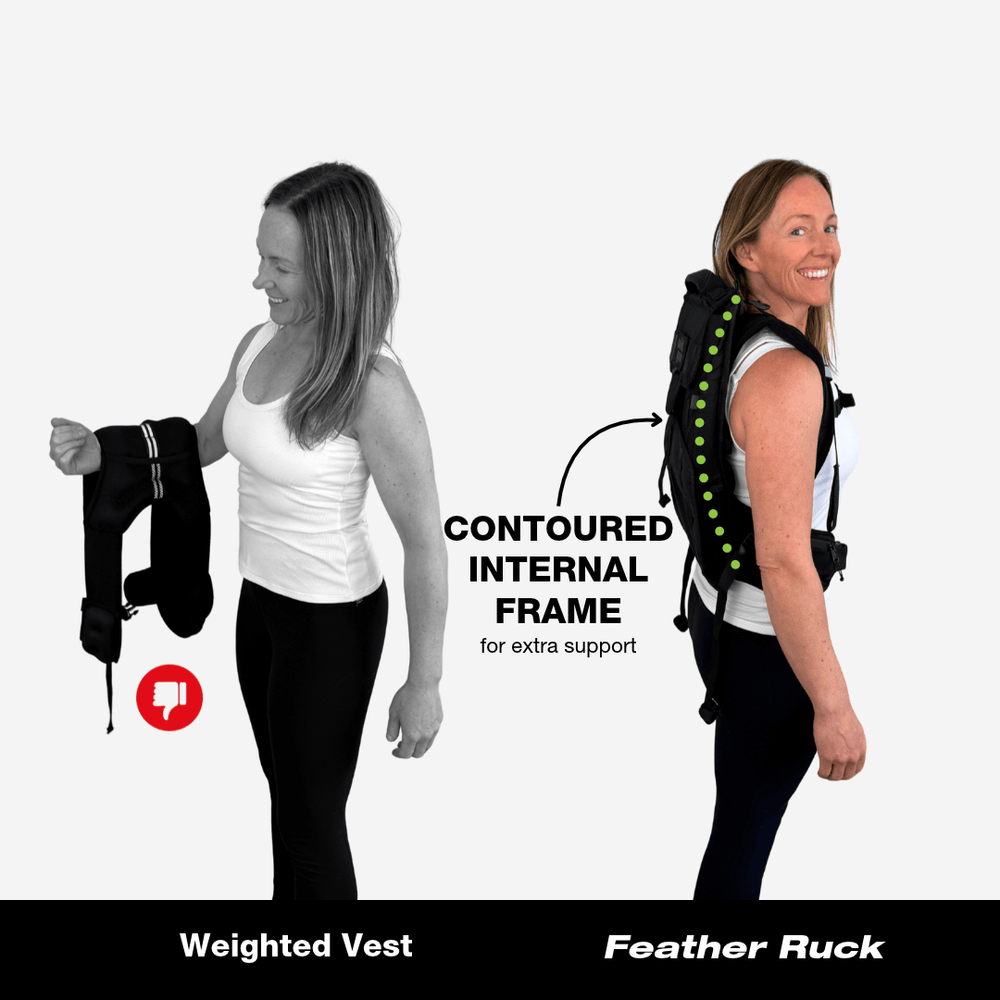
Need support for the load?
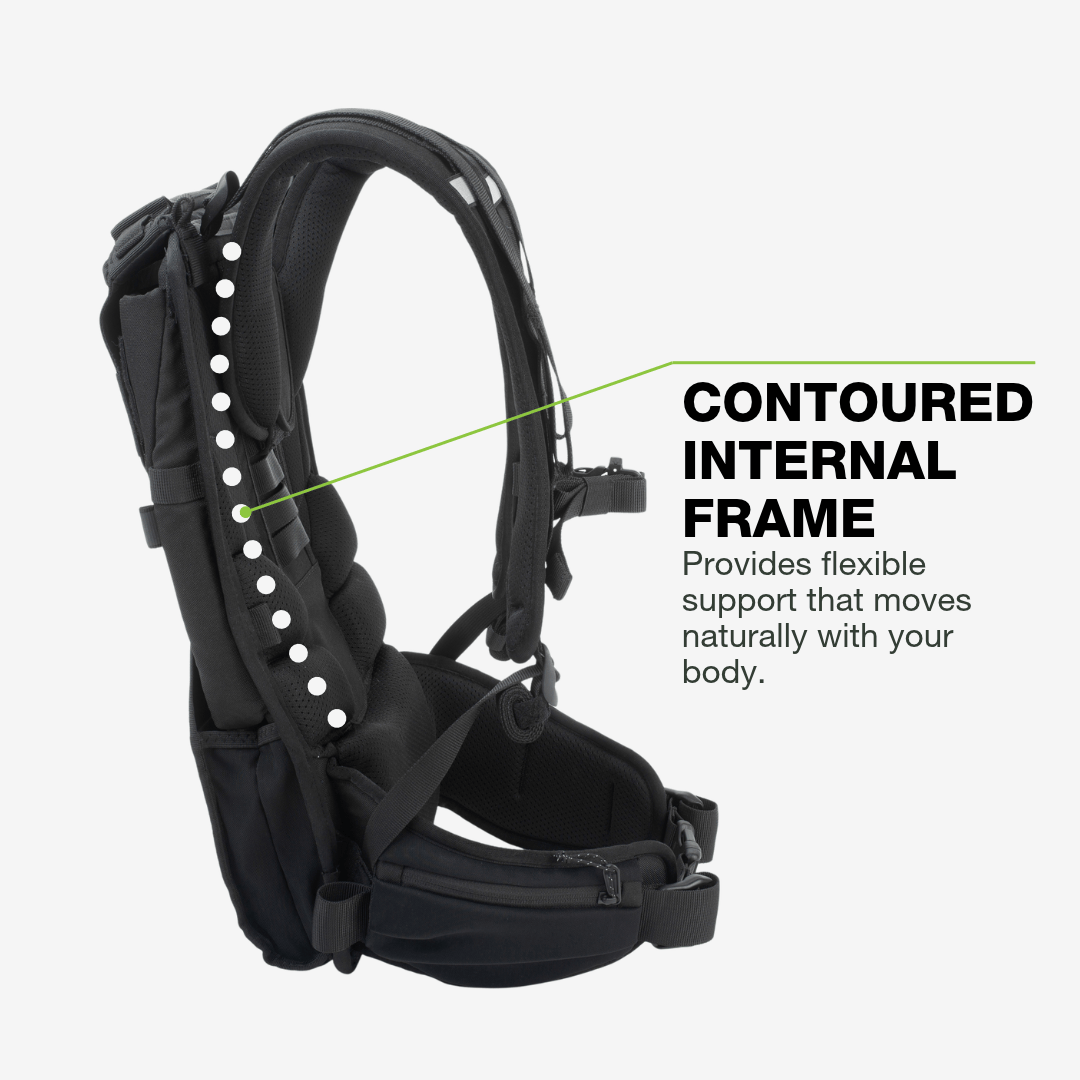
WE’VE GOT YOUR BACK.
A contoured internal frame adds structure and support for the weight you carry.


FROM OUR FOUNDER
WHY WE MADE THIS

FAQ
GETTING STARTED
Rucking is walking with weight in a backpack. It adds a challenge to something you already know how to do—whether you’re walking around the neighborhood or heading onto a trail.
Start at your current ability. Get comfortable walking without added weight first, then gradually introduce a light load.
Start light—even an empty pack is a valid starting point. Choose a load that lets you walk comfortably without hunching or changing your stride.
Choose a short, familiar route you can comfortably walk. Finish feeling capable of doing it again, rather than pushing for a distance record.
Gradually increase one thing at a time: distance, pace, or weight. Give your body time to adapt before adding another challenge.
Comfortable, supportive walking shoes appropriate for your route are a good starting point. You don’t need military boots to go Rucking.
RUCKING & WEIGHT LOSS
Yes, it can contribute to a weight-loss plan by increasing your physical activity. Lasting results also depend on nutrition, consistency, and your individual circumstances.
At the same pace and distance, carrying extra weight generally increases the effort and energy required. The difference depends on your load, body size, terrain, and speed.
There’s no single number that fits everyone. Your body size, pace, route, load, and walking time all matter. Treat calorie estimates as estimates—not a guaranteed result.
No. A manageable routine you repeat matters more than choosing the heaviest plate. You can also increase activity through longer walks or a quicker pace when you’re ready.
There’s no guaranteed timeline. Look at your habits and progress over time, including walking endurance and consistency—not just daily changes on the scale.
For weight loss, eating habits matter alongside movement. Rucking can help you use more energy, but it doesn’t cancel out everything you eat. Aim for a sustainable approach to both.
RUCKING & GLP-1 MEDICATIONS
It may be an option, depending on your health and current fitness. Ask your prescribing clinician whether weighted walking fits your plan, especially if you’re new to exercise.
Medication and movement serve different roles. Regular activity supports fitness, everyday function, and long-term health while medication helps with weight management.
Rucking alone hasn’t been established as a way to prevent muscle loss during GLP-1 treatment. Use it as part of an activity routine that also includes appropriate strength training and nutrition.
Yes—if appropriate for you. Structured resistance training challenges muscles in ways walking doesn’t. Your care team can help you combine strength work and aerobic activity.
Yes. Adequate protein supports muscle maintenance, particularly alongside resistance training. Your clinician or dietitian can help you meet your needs when medication reduces your appetite.
Don’t force a weighted workout when you feel unwell. Discuss symptoms that interfere with eating, drinking, or activity with your prescribing clinician, and adjust your exercise plan with their guidance.
HEALTH BENEFITS
Rucking can raise your heart rate and make walking more demanding. The intensity depends on your fitness, pace, terrain, and load.
Yes. Regular physical activity supports cardiovascular health and can lower the risk of heart disease. Rucking is one way to add activity if weighted walking suits you.
Physical activity can reduce feelings of anxiety and support mental well-being. A regular walk can be a useful part of your routine, though it isn’t a replacement for mental-health care.
Regular physical activity can improve sleep quality. Choose an activity routine you can maintain and a time that works with your schedule.
Weight-bearing activity and resistance training support bone health. That doesn’t mean a heavier pack is always better or that Rucking treats osteoporosis. If you have osteoporosis or a fracture history, get guidance before adding load.
No. Rucking adds a carrying challenge, but it doesn’t replace exercises for every major muscle group. Combine it with strength training for your legs, hips, back, chest, shoulders, arms, and core.
BUILDING A ROUTINE
For general health, adults are advised to work toward at least 150 minutes of moderate aerobic activity and two days of muscle-strengthening activity weekly. Build toward that gradually; every walk doesn’t need added weight.
It can count toward your aerobic activity when the effort reaches moderate intensity or higher. The same pack and pace can feel different for different people.
Absolutely. Mix it with regular walks, strength training, and other activities you enjoy. You don’t need to make every workout a ruck.
No. Allow recovery between challenging outings and adjust your routine to how you feel. Consistency doesn’t require carrying weight every day.
A short walk still counts. Fit movement into the time you have, rather than waiting for a perfect hour-long window.
Track minutes spent moving, how often you get outside, and how comfortably you complete your usual route. Building an activity habit is worthwhile even when the scale isn’t your main goal.
FEATHER RUCK, FIT & BUNDLE
The bundle includes the Feather Ruck, your selected weight option, Booster Pack, Phone Holder, Accessory Pocket. Check your selected configuration before ordering.
The hip belt helps transfer part of the load to your hips. Correct fit matters—it works together with the shoulder straps and adjustable torso.
Use your torso measurement: S/M fits 14–19 inches and L/XL fits 17–22 inches. If you fall in the overlap, contact us for fit help.
Carry up to 30 lb in the main compartment. The Booster Pack adds capacity for another 30 lb, for a total of 60 lb. Capacity isn’t a recommended starting weight.
The product page lists compatibility with 9 × 12-inch plates and Wild Gym Weight Plates. Stay within the compartment’s weight limit.
Visit our Feather Ruck Instructions for setup guidance before your first outing.